International Combat Martial Arts Encyclopedia
Styles and Systems in
International Combat Martial Arts
- C -
|
|
Cheongye Kwan Translation: School of Excellence Country: United Kingdom Founder: Barry Cook Year of creation: 2005 Logo meaning: Striving for excellence and peace
through Martial Arts practice Style motto: Reaction, Evolution, Expression Goals: To deliver limitless technique through
infinite knowledge Background of system: Initially created from the
prior training of the founder in several arts Description: Cheongye
Kwan, also Cheongye Kwan Institute, and abbreviated
to CKI, is an eclectic hybrid Martial Arts system, Philosophy and way of life
founded by the Martial Artist Barry Cook in 2005 that has simple and direct
movements using an intentional non-classical style. Cheongye
Kwan practitioners base their training on minimal movements with maximum
effect and speed. The system works by using any technique that an individual
finds effective in any given situation, whether kicking, punching, locking or
grappling, then flowing effortlessly between them. Cheongye
Kwan is referred to as a Philosophy and not a style. Unlike more traditional
Martial Arts, Cheongye Kwan is not fixed or standardised, and uses participants own feelings after
technical practice as an auto-recall during an encounter rather than
deliberate memory-recall. The founder Barry Cook believes that traditional
Martial Arts styles are too rigid and unrealistic, effectively restricting a
person during combat. He believes that an aggressive encounter is impulsive
and often unprompted, and that a Martial Artist cannot forecast it, only
react to it. Originally, when Barry Cook began researching
names for his method in 2004, he called it Cheongye
Kwan Daehando (Daehando: Korean Way), but not
wanting to create another style that would be linked to any one country or
share the limitations that he believed traditional Martial Arts had, he
removed the Daehando and decided on Cheongye Kwan (School of Excellence). Barry Cook believes
the key to effective defence in combat through the Cheongye Kwan is to enable its practitioners to adapt to
the constant changes and fluctuations of combat by the removal of conscious
thought as apposed to remembering
choreographed fighting drills, and instead using the subconscious reaction to
action via an individuals own feelings at the time of combat training,
because each individual person knows which techniques work for them and which
should be forgotten. Barry Cook’s Martial Art; Cheongye
Kwan, is made productive and interesting by the complex psychological
grounding that it has. The Martial Arts inherently hold a profound intrinsic
psychological element within them, were students must confront internal and
external issues of life on a daily basis. Whilst at university, Barry trained
as a Psychiatric Nurse and later went on to complete a Diploma in Psychology. This exposure to the study of the mind, mental
function and cognitive behaviour is what gave him
the ideal platform on which to begin creating and developing such a
formidable method of Martial Art. Barry Cook started training in the Martial Arts at
the age of 9 and by the age of 19 had earned Black Belts in 3 Martial Arts,
and by 24 he had 5. After 14 years in Taekwondo, Barry decided that he had
tired of being frustrated during sparring and self-defence
practice, always feeling restricted by the rules of the arts he practiced and
having to hold back with techniques that would have been more appropriate
during the sessions, but were disallowed due to their regulations. He thought
this was completely opposite to the objective of effective success in a
fight. So in 2004 then aged 34, Barry began to move away from the traditional
or classical set styles of Martial Art, that he refers to as “unilateral” and
begun the foundations for the method that would be become known as Cheongye Kwan. The fusion of Martial Arts, Psychology and Barry
Cook’s own Philosophy was realised and put into
practice from 2007, Barry was very specific in word and writing to make sure
that people were aware that a “new style” had not been created, but that
walls had been broken down and restrictions removed which could now
facilitate a more natural and individual form of expression for its students. Unlike purest or traditionalist Martial Artists
that only do what they are asked to do, Cheongye Kwan
practitioners are expected to question and research everything for their own
development and progression. Barry Cook draws from some very varied sources
when teaching Cheongye Kwan, from sports science
and sports psychology, to Buddhist and eastern philosophies, along with
endless forms of combat and methods of warfare. "When I created the Cheongye
Kwan I was determined that I was not inventing a new style, exactly the
opposite. In fact it was my intention to remove the set or fixed ways of
doing things for its practitioners and because of this, the Cheongye Kwan can act like a reflection in a pond, simply
allowing us to see ourselves and make the necessary changes. Cheongye Kwan is not a set organisation
that members join and then learn choreographed routines. There is no magical
element to my method; it is simply non traditional
and non conforming, with simple direct reaction,
nothing unnecessary or synthetic. Practitioners utilise
feelings of reactive defence and then
subconsciously respond with the least amount of thought and energy. Cheongye Kwan is just a name used for its practitioners
to identify the expression of their Martial Art that does not condition them
to conform to standard set ways of doing things using set doctrines and
policies that will ultimately restrict them, Cheongye
Kwan is not a style and so facilitates an evolution and constant state of
development. Cheongye Kwan does not collect large quantities
of rigid techniques that hinder and confuse the student, but rather it
eradicates the static and unnecessary bulk to leave crisp, sharp, unimpeded
reaction. The concept is considered to be a constant
stripping of complicated and gratuitous manoeuvres
as apposed to the continual adding of systematic choreographed
routines". - Barry Cook Defining the Cheongye
Kwan Martial Arts Institute may seem complex and profound, but is in fact
quite straightforward. Imagine for a
moment the sport of boxing, if you watch 10 boxing matches most if not all
will seem to have the same combat strategies and follow the same path of
rules and regulations, the fighters themselves will have subtle differences
in the way they execute their combinations, but in general it remains the
same within the confines of the sport. The same can be said for any ‘unilateral’ combat
method that remains within the construct of the rules and regulations of the
system in which they practice which leaves no room for the true expression of
the exponents to perform techniques or combinations outside of their given
remit. The simplest way to define the Cheongye
Kwan is to say that it helps its students to go beyond basic technical
skills, by helping them to make the best use of their own particular mental
and physical attributes such as speed, power, temperament and strategic
awareness through the continual and perpetual practice of the physical and
educational skills, rather than the accumulation of theoretical and practical
techniques. Unlike purely traditional Martial Arts such as Karate, Taekwondo,
or Judo, applying a dictionary style definition is difficult about the Cheongye Kwan, which is a good thing, because combat
itself is difficult to anticipate or predict, and just like the unpredictable
nature of conflict and confrontation, a definition is impractical and
restraining. How people are raised and because of human nature,
they find it difficult to relate to things they do not understand which is
why many people prefer to study within a Martial Arts style which has very
clear and specific rules, regulations and protocols. The ultimate aim of Cheongye Kwan is to develop a subconscious and intuitive
ability to respond and react to encounters as quickly as possible without the
need for deliberate thought or decision making, and to deal with conflict
with determined resolution. Cheongye Kwan offers a
means of self discovery and self expression by walking and living the
lifestyle that exemplifies the true meaning of being a Martial Artist, and
through the development of personal growth, character and personality it will
ultimately develop self mastery over the execution of subliminal technique. As a student of this method, practitioners are
taught not to think of the Cheongye Kwan as a style
or a brand of Martial Art because Barry Cook feels that this labelling would
inhibit his method into a fixed art, and that is not how he wants his method
to be portrayed. Instead Martial
Artists and complete beginners alike are encouraged to think of the Cheongye Kwan as an educational environment in which
students are encouraged to walk a path of self discovery and self development
through the practice of their own personal internal Martial Arts. All of this is done with a flow and without
deliberate thought, this is what is called the Cheongye
Kwan Concept, subconsciously changing and adapting by reaction. It is the
absence of intentional thought to use the most effective elements to create
the best possible outcome from the encounter. The ability to use any technique affectively
during the fight comes from the Cheongye Kwan
exposing its students to elements of defence and
offence from any technique that works for them, such as Judo throwing, or
Ju-Jitsu locking, or Taekwondo kicking. The more the student trains, the more
exposure they are given to the various methods which ultimately results in a
larger database for the subconscious to draw from during a confrontation. The Cheongye Kwan’s
concepts of combat incorporate the flowing application of using ANY technique
that works without the need for conscious thought. Over time and through
training in the Cheongye Kwan, the student can
begin to learn to apply the concept to the attack subconsciously. Now all these years on, the Cheongye
Kwan continues to grow and motivate its practitioners, and since its
inception in 2007, the Cheongye Kwan and Barry Cook
have been awarded with many commendations and accolades, including being
inducted into the International Black Belt Hall of Fame and receiving a
personal letter of appreciation from the President of the Kukkiwon;
World Taekwondo Headquarters. The Cheongye Kwan
will continue to evolve through each student, who will interpret and add
their own philosophy as they teach it to the future generations of Cheongye Kwan. Website: www.cheongyekwan.com
|
||||||||||||||||||||||||||||||||||||||||||||||||||||||||||||
|
|
Collective Weapon Combat System Country:
India Founder:
Soke Syeda Sofiya Nausheed (PhD) Year
of creation: 2009 Style
motto: To teach Different types of weapons at one place under one name. Background
of system: Indian Sword Art, Ninjutsu, Kenjutsu & Other weapon related
styles Description:
CWCS is the combination of different weapon combat styles so that one could
learn the different famous weapons different origin under one name. CWCS is
also a philosophy of how a weapon can be used with different way rather than
its own. |
||||||||||||||||||||||||||||||||||||||||||||||||||||||||||||
|
|
Combat
Aikido Country:
USA Founder:
Sensei Jack Moon Year
of creation: 2008 Background
of System: Eclectic self defense system incorporating Aikido, Karate,
Jujitsu, Judo, Boxing, Ground Fighting, Krav Maga and other lesser known
martial arts. Description:
Throws, joint locks, pressure points, grappling, strikes, blocks, kicks,
defenses against weapons (guns, rifles, knives, sticks, etc), defending third
parties and defenses against car jacking. Real life scenario drills are
utilized to increase endurance, awareness and ability to perform under
stress. Website:
www.combataikido.us |
||||||||||||||||||||||||||||||||||||||||||||||||||||||||||||
|
|
Combat Jeet Kempo Country: France Founder:
Frederic Paezkiewiecz Year of creation:
2006 – evolution 1 in 2009, evolution 2 in 2012 Logo meaning: Taiji for
the supreme pole of energy – yellow : the sun and blue : the water Two
silver arrows : permanent movement / two swords (Kali) Style motto: My own
Tao of Jeet Kune Do Goals: JKD concepts for military combatives
training Background of system: Jun
Fan Gung Fu / Jeet Kune Do, Kali, Kempo / Jujitsu, Wrestling, MMA, Taïchi, Yoga, Close Quarter Combat Description: No
form, no limitation Website: www.combat-jeet-kempo.jimdo.com
|
||||||||||||||||||||||||||||||||||||||||||||||||||||||||||||
|
|
Combat
Jiu-Jitsu, Muay Thai and Military Martial Arts Country: United States Founder: Matthew Montoya-
4th Degree (Yodan) Black Belt Jujitsu, Modern Army Combatives instructor (US Army), Muay-Thai Instructor.
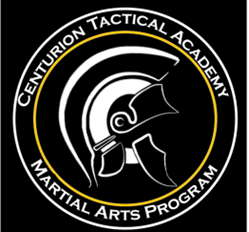
Also Judo, Kenpo, and weapons. Year of School: 2015 Logo meaning: The Armor of
God, specifically the Helmet of Salvation. Strength starts with faith and
salvation found in the blood of Jesus. In September of
2001, 1st Bn of the 34th Armor, 1St Infantry Division “Centurions” was
on an expeditionary mission to Kuwait when the Twin Towers, and the United states was attacked. Later deployed (Nov 2003) and
attached to the 2nd Bn, 34th Armor “Dreadnaughts” and the 1st Marine
Division, for operations in Anbar province, including offensive operations in
Fallujah. The "CENTURIONS"
of the 1st Battalion, 34th Armor Regiment were on duty in Iraq with "A
Company 1-16 INF, B Company 1/9 CAV, B Company 1st ENG and an assortment of
smaller units such as Civil Affairs and Psyops etc. In all, the Task Force lost 23 soldiers and
had about 150 wounded in action.
In 2010, Drill Sergeant
Montoya remained a Basic Training Platoon “Centurions” in recognition of the
brave soldiers who gave their all for the US. Having served alongside these
brave men, and sometimes even being in the same fire fight with them, he wanted
to honor them. As his maturity in the Gospel began to grow, the image of the
Centurion in the bible came up again and again. (Matt 8:5, Mark 15:39, and
Acts 10:22) It seemed only right to call his School “Centurion Tactical
Academy” and the Iconic Helmet became the logo. Style motto: “Put on the
Full Armor of God! Eph 6:10” Goals: To build up a
future generation of Warriors for Christ who combat bullying with The Fruit
of the Spirit, and when needed physically defend themselves or those who
cannot defend themselves. Description: Muay Thai, Jujitsu, and Modern Army Combatives, streamlined in an inclusive system. Weapons
include; Pistol, Rifle, Bo, Nunchuck, knife, and
sword. Background: In 2015
Founder, Instructor and Chief Examiner of Centurion Tactical Academy (Matt
Montoya) was determined to have his children learn self-defense. He took his family to learn at a local
Dojo, but was quickly dismayed at two observations. First, the system at the
school was based on unrealistic, if not harmful, body positions that required
the student to be tense, stiff, and difficult to achieve without significant
conditioning. This seemed dangerous
for young children, not conducive for realistic street combat and
imbalanced. Second, advancement was
far too quick, children (and white belt adults) were given yellow belts after
a couple of months of instruction.
Having been military trained, and having learned Martial Arts since
the age of 10, he knew there was a better way. He immediately withdrew his family from the
school and began training them at home. He then began to write the
curriculum focused on several aspects: 1) The first techniques taught had to
be easy to learn and immediately effective. 2) The beginner techniques had to
incorporate where the students physical condition was at the beginning, balance,
endurance, and strength of the student were to be met and utilized were they
were THEN built up over time and as the student advanced. 3) Advancement had
to be earned at each level. No give-aways. As the children learned
the family opened their house to neighbors and friends, the school had been
born! With several students now
attending on a weekly basis to learn how to effectively defend against an
attacker, stand up to bullies, learn first-aid and to study the Gospel,
Centurion Tactical continues to grow. Website: https://centac.wixsite.com/centac-usa
e-mail:
centurion.oksda@gmail.com |
||||||||||||||||||||||||||||||||||||||||||||||||||||||||||||
|
|
Combat
Kali Silat Translation: Country: France Founder: Frederic Paezkiewiecz Year of creation: 2006 – evolution 1 in 2013 Logo meaning: Union of Filipino martial arts concepts
and symbols Style motto: Goals: Kali concepts for military combatives training Background of system: Kali blend system / Filipino Martial
Arts, Silat, Kuntao, Close Quarter Combat Description: H2H System for infantry combat
training – Technico - tactical training with
stick, knife, blades Website: |
||||||||||||||||||||||||||||||||||||||||||||||||||||||||||||
|
|
Combat Ratel Tactical Self
Defense Founders:
John and Liam Mcgirr. Country:
Australia. Year
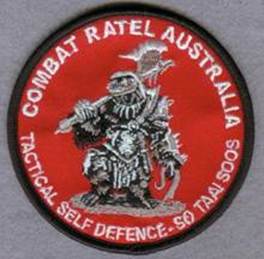
of founding: 2013. Logo meaning: so taai
soos- tough as a honey badger. Organization
motto: fear is the opiate of combat. Style:
blended martial art system. Goals for our system: to teach anyone
young, old, persons with disability to protect themselves and loved ones. Description: combat ratel tactical
self defense is a blended system which uses the best techniques, concepts,
and principles from krav maga,
Filipino kyusho, combat hap-ki-do, and combat brazlilian jiu jitsu ground survival tactics. There are
no katas to learn and all kicks are kept low to pressure points. Combat ratel
teaches pressure point striking, defence against
all attacks from weapons threats, more than one attacker, defense against all
chokes, grabs, strikes - kicks, punches. Abduction attempts, takedowns, how
to deal with fight freeze, awareness of your surroundings, home invasion
tactics, using every day common objects as defense against an attack.
Training is done in low light, uneven surfaces, confined spaces. Combat ratel
is a easy system to learn and remember when put
under extreme pressure from a sudden and violent attack. The ratel- African
honey badger was chosen for our logo because of its fearless, tough, and
never backs down “so taai soos”
african for tough as a ratel. |
||||||||||||||||||||||||||||||||||||||||||||||||||||||||||||
|
|
Conte Ryu Martial Arts Translation:
The family name of Conte translates to Continuity so the actual name would be
understood as either Continuous Dragon Martial Arts or as Eternal Dragon
Martial Arts. Country:
USA Founder:
Thomas M. Conte Sr. Co-founder:
Thomas M. Conte Jr. Year
of Creation: 1974 Officially given a name and logo in 1987. In 1974 Thomas M.
Conte Sr. began teaching what would later become Conte Ryu Martial Arts to
his then 5 yr old son. In 1987 due to a misunderstanding in translation the
Style was called Conte Do and then later corrected and called Conte Ryu
Martial Arts. Logo
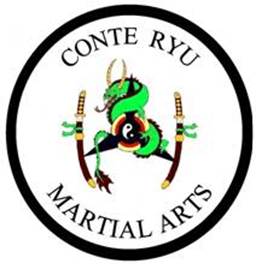
Meaning: The black border on the patch symbolizes the black belt that the
student is working to achieve, the white background represents the beginner
starting on his journey within martial arts. The color
green of the dragon is a symbol of life, growth, vigor and vitality,
longevity and harmony also
associated with the world, nature and health. Within the border
is the name of the style Conte Ryu Martial Arts, within the boundaries of the
style name are the joined symbols of the swords of Bushido, there are two one
for the Founder and one for the Co-Founder, each of these are touching the
three point Shurken a weapon that has become well
associated with Ninjitsu, on the shurken is the
symbol of Yin and Yang, the symbol of perfect balance, equals and yet
opposites. Behind the shurken sits the rising sun a
symbol of Japan. and behind that is the Dragon Pearl symbolizing wisdom,
knowledge and truth. Encompassing these and wrapped around the throwing star
is an Asian Dragon, symbol of power, excellence and perseverance. A dragon
overcomes obstacles until success, is benevolent and protects the innocent,
he is energetic, decisive, optimistic, wise and intelligent. Style
Motto: The difference between a student and a master is that the student is
learning to master an art, the master has learned he is always a student. ~
Thomas M. Conte Jr. Goals: To promote self defense, to assist the
student in building their character, self-esteem, confidence, sincerity,
humility and sense of responsibility, to also awaken the student to the fact
that they have far more potential than they would believe, and through this
training produce a person both mentally and physically balanced. Background
of system: Shaolin Long and Short Fist Kung Fu, Jujitsu, Ninjitsu, Okinawan Shorin Ryu, Washin-Ryu
Karate-Do. Description:
Conte Ryu Martial Arts is an aggressive to the point freestyle form of
martial arts that utilizes what works best with a minimal amount of wasted
movement. Website:
To be added at a future date. E-Mail: contemartialarts@yahoo.com |
||||||||||||||||||||||||||||||||||||||||||||||||||||||||||||
|
|
Cox Freestyle Korean Combat Arts System Country: USA Style Motto: A tree is only as strong
as the roots that holds it... |
||||||||||||||||||||||||||||||||||||||||||||||||||||||||||||
|
|
C.U.T.S. Critical Urban Tactical Strategies Country: Global Founder: Soke David D'Antonio,
Command Master Chief Instructor Nidai Soke Andrew Ian Marshall Drill Instructor Year of founding: 2009 Logo
meaning: Organization motto: “It's not fancy,
it's fighting. Real responses to real threats" Goals: To provide a tactically strong
base of fighting techniques to individuals who do not wish to spend a
lifetime in pursuit of a martial path. The
techniques in C.U.T.S. are based off of instinctual evasive counter offensive
responses. There are minimal techniques for the student to lean,
in this way the skills become DNA ingrained based off of
instinctual primal responses hence, these techniques are easily learned , easy to remember and readily recalled in a
combative scenario. Styles: A ninjutsu based combat
system. Description: C.U.T.S. features three student levels and three instructor levels
with the fourth instructor level (command master chief 0 reserved for the
founder, (and subsequent inheritors). Each level is designed to be learned with in a weekend
seminar style training camp. Each student level contains 3 to 5 of each of
the following: punches/hand techniques, kicks, escapes, throws as well as
training in the following : weapons disarms, weapon retention, environmental training, scenario based training. This is a complete system of
modern combat with minimal techniques for the student to remember, in this
way the student will be able to easily bring into play the techniques when
needed in an instantaneous fashion, without having to jumble through hundreds
of techniques looking for the correct one to use. |
||||||||||||||||||||||||||||||||||||||||||||||||||||||||||||
|
|
|
||||||||||||||||||||||||||||||||||||||||||||||||||||||||||||
|
|
|
||||||||||||||||||||||||||||||||||||||||||||||||||||||||||||
|
|
|
||||||||||||||||||||||||||||||||||||||||||||||||||||||||||||
|
|
|
||||||||||||||||||||||||||||||||||||||||||||||||||||||||||||
|
|
|